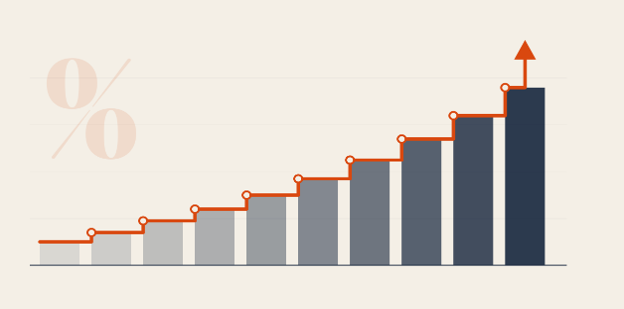
The real economic story in potatoes isn’t about how many acres are planted or how many tonnes come out of the ground. It’s about where value is captured once the crop leaves the farm. Most of the margin in potatoes is created after harvest — in storage, grading, processing, packaging, branding, and retail — not in production itself.
Growers often carry the greatest risk yet receive only a small share of the final retail value. Meanwhile, the same tonne of potatoes can have dramatically different economic outcomes depending on whether it becomes a bulk fresh product, a premium creamer, a frozen fry, a specialty ingredient, or a branded convenience item. Processing, in particular, transforms potatoes from a commodity into a functional, higher‑value product with stronger downstream economics.
But value capture isn’t limited to factories. Fresh‑market differentiation — creamers, small formats, convenience packs, and strong retail branding — shows that potatoes can earn more simply by being positioned more intelligently. Storage and logistics also play a decisive role: quality loss, poor timing, or weak coordination can quietly erase margins even in high‑yield years.
The biggest leak in the system may be narrow thinking. Treating potatoes as undifferentiated volume leaves too much value on the table. The sector’s future strength depends on aligning varieties, storage, processing, and market positioning with the highest‑value uses, not just producing more tonnes.
In short, potato profitability now hinges on positioning, transformation, and coordination across the chain. The strongest returns will go to those who treat potatoes as strategic products with expanding value — not as commodities to be moved as quickly as possible.
Please see the full article here: The economics of value capture in potatoes: Where value is created, where it escapes, and why it matters now – Potato News Today
Source: Potato News Today
April 24, 2026