Potato production systems depend on fertilizers, fuel, electricity, and reliable transport. When fertilizer and energy supply chains are disrupted, growers may face higher input costs, delayed deliveries, and planning uncertainty.
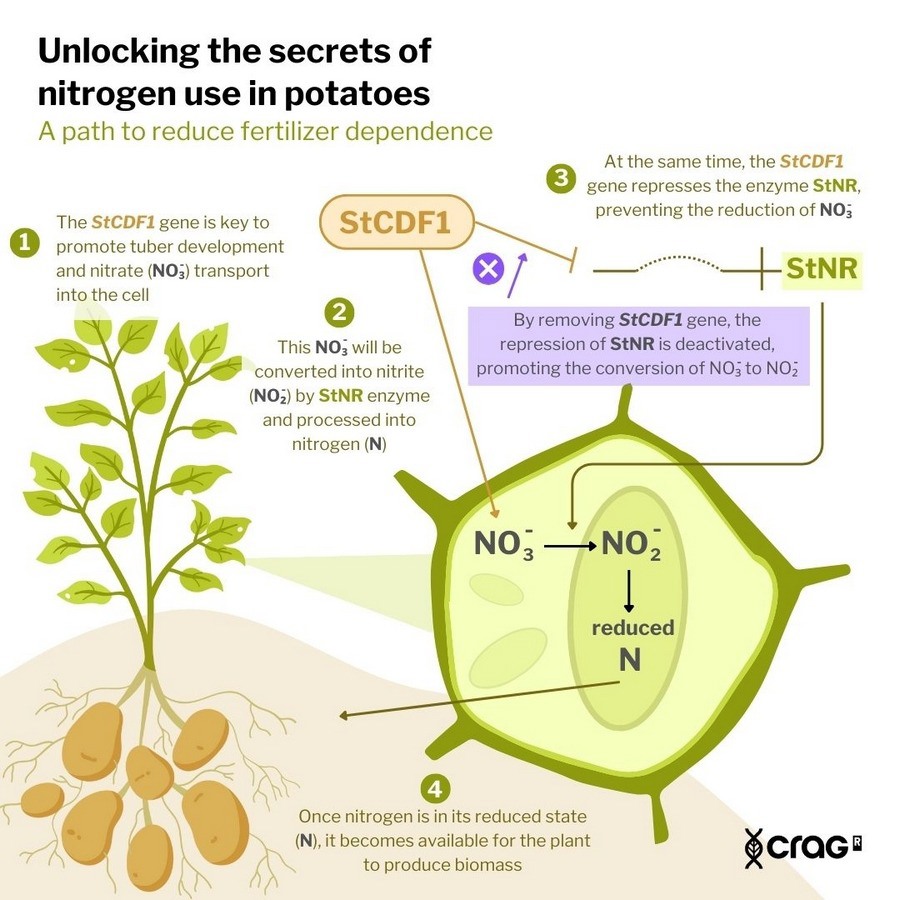
Potatoes are sensitive to nutrient management. Michigan State University notes that nitrogen management influences tuber quality, storability, groundwater protection, and production cost. The University of Idaho reports approximate fertilizer requirements of 220 pounds of nitrogen, 30 pounds of phosphorus, and 300 pounds of potassium per acre to produce a 450 cwt./acre Russet Burbank crop in southern Idaho.
Rising fertilizer prices, therefore, affect production decisions. Delayed or reduced nutrient application can influence yield, tuber size profile, crop uniformity, and storage performance.
Reuters reported on March 13 that disruptions linked to the conflict have pushed fertilizer prices higher and created supply concerns ahead of spring planting in the United States and Canada. Fertilizer prices increased by more than 30 per cent in some cases, while The Fertilizer Institute indicated that the U.S. market can at times face a supply gap of about 25 per cent for urea during the spring season.
The International Food Policy Research Institute reported that the conflict disrupted exports of urea, ammonia, phosphates, and sulfur through the Gulf while also raising natural gas prices used in nitrogen fertilizer production. Between 20 and 30 per cent of global fertilizer exports move through the Strait of Hormuz. Reuters cited analysts estimating that more than 30 per cent of nitrogen fertilizer exports move through the corridor.
Reuters quoted StoneX analyst Josh Linville saying, “Literally, this could not happen at a worse time of the year.”
The conflict is also affecting energy prices and logistics costs. Higher fuel prices influence field operations, irrigation pumping, transport, refrigeration, ventilation, and potato storage systems.
Potatoes are often stored for long periods under controlled conditions. Storage systems depend on electricity for ventilation, cooling, humidity control, and monitoring, making energy costs relevant for post-harvest handling.
Supply chain effects extend to processors, fresh markets, and exporters. Potato supply chains depend on transport from field to storage, storage to packer, packer to processor, and shipment to domestic or export markets. Rising freight costs and shipping disruptions can influence these movements.
If disruptions continue, fertilizer supply volatility, higher gas costs, and possible trade restrictions could influence planting decisions and input use in potato production systems.
Source: Potato News Today; War in the Middle East casts a growing shadow over potato farmers worldwide – Potato News Today